Among the characters roaming the vicinity of the Lower Salt River Recreation Area, Colonel Alonzo Ridley was one of the most interesting. As I've discussed previously, Dr. W.W. Jones lived and ranched in the Salt River and Tonto areas in the late 1800's. The Colonel was a good friend of the Doctor and sometimes kept the Doctor company at the ranch.

Alonzo Ridley immigrated to California from Maine in 1849 seeking his fortune in the gold fields. In the 1850's, he evidently gave up on mining and moved down to the village of Los Angeles where he became an Indian agent on the Tejon Reservation. He later served as under-sheriff in Los Angeles County and it was in Los Angeles where he first met Dr. W. W. Jones.
The Colonel's most notable adventure was the escort of General Albert Sidney Johnston from California to Texas. Albert Sidney Johnston was an experienced soldier, a graduate of West Point and recently commander of the U.S. Army's Department of the Pacific. Johnston had resigned from the U.S. Army at the beginning of the Civil War and settled as a neutral in Los Angeles. Eventually, Johnston feared that he would be arrested by Union authorities and so decided to travel to Texas. Ridley chose the confederate cause while in California where he organized and commanded a militia of like minded men to escort General Johnston to Texas to join the Confederate Army.
In 1861, scouts commanded by Captain Ridley led the way across the southern California deserts and across the Colorado River at Yuma. From the Colorado, they traveled up the Gila River to the Pima villages near present day Phoenix then down the Santa Cruz to Tucson. They continued their trek across Arizona and New Mexico while carefully avoiding Apaches and the Union Army until safely reaching El Paso where the militia was disbanded.
Ridley served as General Johnston's bodyguard at the battle for Shiloh where Johnston was fatally wounded. Afterward, he trained in Texas as an engineer and eventually became a Lieutenant Colonel in the Confederacy but he was captured at Fort Butler in Louisiana in 1863 and was imprisoned until the end of the war.

Alonzo Ridley immigrated to California from Maine in 1849 seeking his fortune in the gold fields. In the 1850's, he evidently gave up on mining and moved down to the village of Los Angeles where he became an Indian agent on the Tejon Reservation. He later served as under-sheriff in Los Angeles County and it was in Los Angeles where he first met Dr. W. W. Jones.
The Colonel's most notable adventure was the escort of General Albert Sidney Johnston from California to Texas. Albert Sidney Johnston was an experienced soldier, a graduate of West Point and recently commander of the U.S. Army's Department of the Pacific. Johnston had resigned from the U.S. Army at the beginning of the Civil War and settled as a neutral in Los Angeles. Eventually, Johnston feared that he would be arrested by Union authorities and so decided to travel to Texas. Ridley chose the confederate cause while in California where he organized and commanded a militia of like minded men to escort General Johnston to Texas to join the Confederate Army.
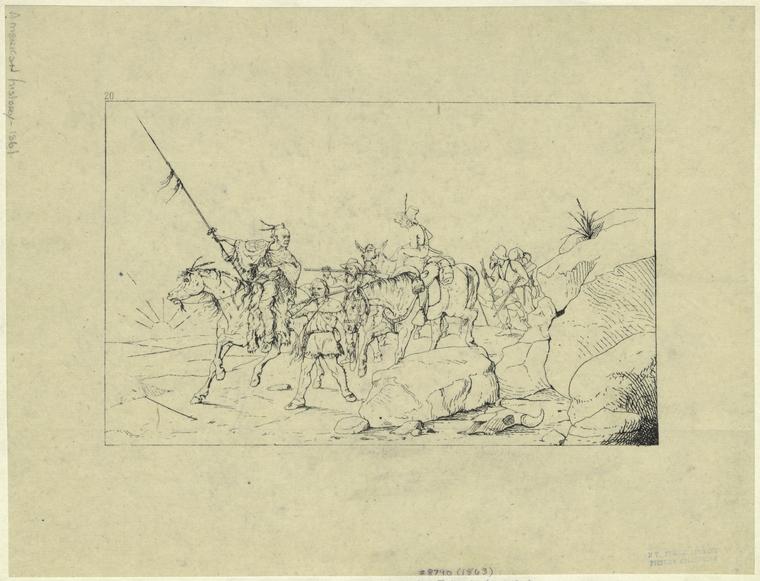 |
| Art and Picture Collection, The New York Public Library. "Albert S. Johnston Crossing The Desert To Join The Southern Army." The New York Public Library Digital Collections. 1863. http://digitalcollections.nypl.org/items/510d47e0-f92a-a3d9-e040-e00a18064a99 |
In 1861, scouts commanded by Captain Ridley led the way across the southern California deserts and across the Colorado River at Yuma. From the Colorado, they traveled up the Gila River to the Pima villages near present day Phoenix then down the Santa Cruz to Tucson. They continued their trek across Arizona and New Mexico while carefully avoiding Apaches and the Union Army until safely reaching El Paso where the militia was disbanded.
Ridley served as General Johnston's bodyguard at the battle for Shiloh where Johnston was fatally wounded. Afterward, he trained in Texas as an engineer and eventually became a Lieutenant Colonel in the Confederacy but he was captured at Fort Butler in Louisiana in 1863 and was imprisoned until the end of the war.
 |
| Art and Picture Collection, The New York Public Library. "Retreat of the confederates from Shiloh." The New York Public Library Digital Collections. 1905. http://digitalcollections.nypl.org/items/510d47e0-f96e-a3d9-e040-e00a18064a99 |
After the war he didn't
sign the pardon agreeing to surrender but instead emigrated to
Mexico and fought on the side of Maximilian in the Mexican Civil
War. He lived in Mexico for several years and was employed by a
British company responsible for building the Vera Cruz to Mexico City
railroad.
In 1877 he returned to the states and met Dr. Jones while Jones was working a gold mill on the Hassayampa River near Wickenburg. He became good friends with Dr. Jones and resided with him many times over the years. In 1885, Dr. Jones and Colonel Ridley were described as entertaining hosts by expedition members traveling down the Salt River. The travelers had reportedly stopped for the night at the Jones ranch just above the Verde River confluence in what is now the Lower Salt River Recreation Area. It's my best guess that the ranch was located near what is now a Forest Service facility on N. Usery Pass Rd.
In 1877 he returned to the states and met Dr. Jones while Jones was working a gold mill on the Hassayampa River near Wickenburg. He became good friends with Dr. Jones and resided with him many times over the years. In 1885, Dr. Jones and Colonel Ridley were described as entertaining hosts by expedition members traveling down the Salt River. The travelers had reportedly stopped for the night at the Jones ranch just above the Verde River confluence in what is now the Lower Salt River Recreation Area. It's my best guess that the ranch was located near what is now a Forest Service facility on N. Usery Pass Rd.
The Colonel didn't
consider himself a citizen of the US. He was a citizen of the Empire
of Mexico and referred to himself as such. However, he was required
to take the oath of allegiance and become a US citizen in order to be
the executor of Dr. Jone's estate in 1896. It says much of their friendship
that the old rebel finally took the oath. After settling the estate,
he traveled to Havana, Cuba but returned to Arizona after a couple of
years. He died in Tempe in 1909 and is buried at Double Butte Cemetery.

References:
Texas Sate Historical Assoc., https://tshaonline.org/handbook/online/articles/fri57
References:
Texas Sate Historical Assoc., https://tshaonline.org/handbook/online/articles/fri57
Gene C. Armistead, "California's Confederate Militia: The Los Angeles Mounted Rifles,"
Daily Phoenix Herald, June 5, 1885, "A Daring Expedition".
Arizona Republican, July 16, 1896, pg 5.
Arizona Republican, March 26, 1909


